How I work
My training is in a humanistic psychotherapy that values each person’s uniqueness, capacity for self-direction, and creativity in adapting to their circumstances.
My approach is integrative: I draw on different theories of human nature and change, and I see therapy as a process of integrating our cognitive, emotional, bodily, and relational experience into a more coherent self.
We all have the capacity to change
The path might be messy or complicated but we can explore it together
How does psychotherapy work?
I am a trainee relational psychotherapist. This means the relationship between us is not simply the setting for the work, it is part of the work itself.
What happens between us in the room, how you experience me, how I experience you, what that might tell us about how you move through the world: these are all important questions not background conditions.
I pay attention to what you bring from your life outside the room and to what unfolds between us as we work.
Patterns that show up in your life out there often show up between us too and working with them in real time, rather than only in retrospect, is often where something shifts.
I do not set homework or worksheets but may occasionally recommend a book or video for us to explore together.
I might also share some information that helps you make sense of what’s happening, for example, how the nervous system affects our emotional life.
My role isn’t to give advice or fix you.
It’s to create a meaningful relationship in which you can explore your experience at your pace, understand yourself more fully, and move towards greater freedom in how you live.
More information
-
People often search for therapists by diagnosis or difficulty: anxiety, low mood, stress, or trauma. While I welcome and work with a wide range of emotional and psychological difficulties, I don’t categorise people by diagnoses. I’m more interested in how you experience your life, what has happened to and for you, and how you relate to yourself and others.
Many people come to me because they feel stuck in long-standing emotional or relational patterns or because they’re living with questions about identity, belonging, shame, or the impact of past experiences. You don’t need a diagnosis to begin therapy. What matters is your experience and what you want to explore.
-
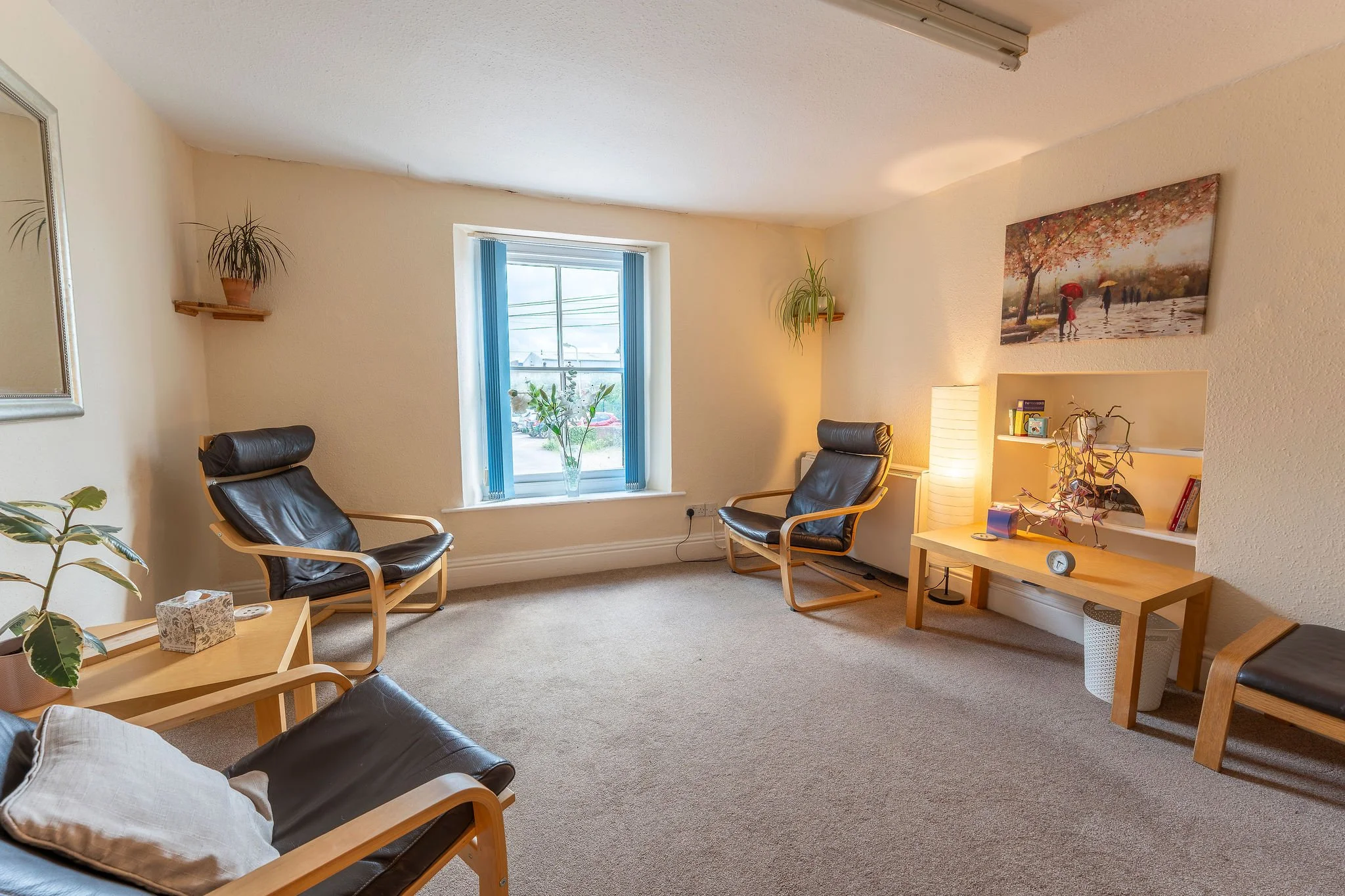
Sessions are 50 minutes long and take place at the same time each week (or other agreed interval). I work in person from a private therapy room within a therapy centre in central Oakham.
If I need to cancel, I let you know as soon as possible. I give advance notice of planned absences. If you need to cancel, I ask for 48 hours’ notice otherwise my usual fee applies.
I don’t provide therapeutic support between sessions, but you’re welcome to email me. I will always reply to administrative matters as soon as I reasonably can.
-
We begin with a free 20-minute phone call to begin exploring what you are looking for, and whether we might work well together.
Before entering into a therapy contract we have an assessment session to understand more about you, your life, and what you are hoping for. This lasts 60-75 minutes and costs £60. It’s also a further opportunity for you to sense whether the fit feels right.
If we agree to work together, I encourage you to treat the first few sessions as a continued exploration of whether it feels like a good match. My fee for ongoing therapy is £50 per session. Fees are reviewed annually and will increase on BACP registration and completion of my UKCP training. I’ll discuss any changes with you in advance.